
Why Researchers Attend MEDCOM: A Participant’s Experience at an International Media Conference
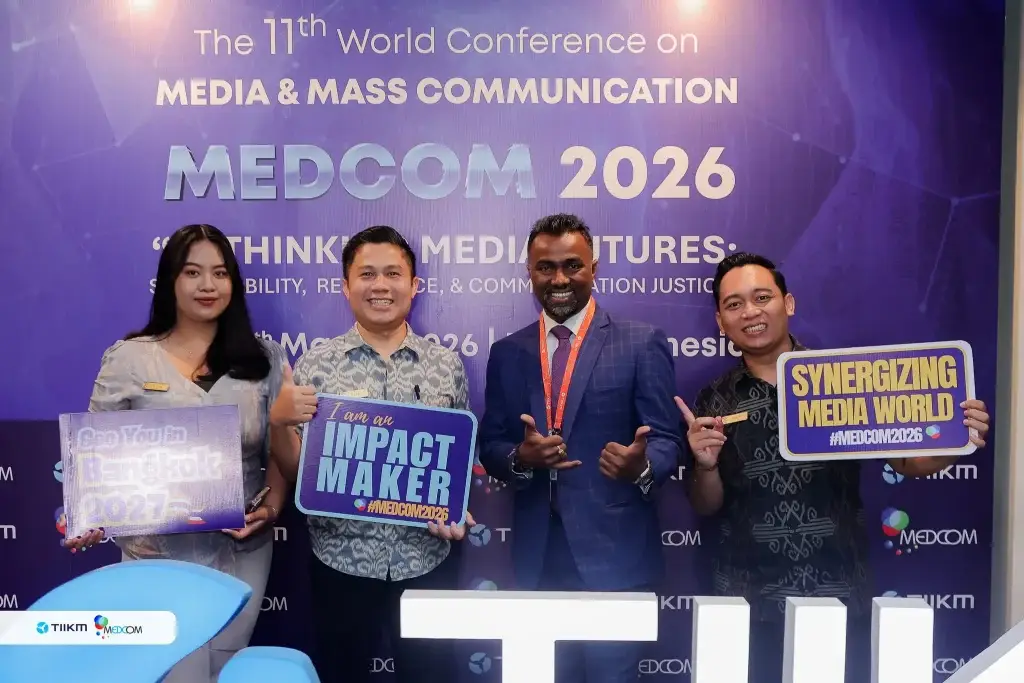
Participating in the World Conference on Media and Mass Communication (MEDCOM 2026) was one of the most rewarding academic experiences of my career. As the lead researcher, I had the privilege of presenting our research together with my co-author, Dr. Enas Mossad Sarg, and engaging with an outstanding international community of scholars, researchers, and professionals specializing in media and mass communication.
From the very beginning, I was impressed by the professionalism of the organizing committee. Every stage of the conference—from registration and communication to the technical arrangements and scientific sessions—was carefully planned and efficiently managed. The organizers created an academic environment that allowed participants to focus entirely on exchanging knowledge and discussing new ideas.
One of the greatest strengths of MEDCOM 2026 was its truly international character. The conference brought together participants from universities and research institutions across Asia, Europe, Africa, North America, and many other regions. This diversity created valuable opportunities to exchange perspectives, learn about different research traditions, and establish new professional connections. Meeting colleagues from different academic cultures greatly enriched my conference experience.
The scientific program was equally impressive. The presentations addressed many of today’s most significant issues in media and communication, including digital journalism, artificial intelligence, social media, digital transformation, communication technologies, media literacy, and emerging communication practices. The quality of the presentations and the thoughtful discussions that followed each session reflected the high academic standards maintained by MEDCOM.
For our research team, presenting our study was an invaluable opportunity. The comments and questions from participants and session chairs provided constructive feedback that encouraged us to further refine our work. Beyond presenting our findings, we gained new insights into current international research trends and identified several promising directions for future collaboration.
Another aspect that made MEDCOM special was its welcoming atmosphere. Throughout the conference, participants were encouraged to interact, exchange experiences, and build professional relationships. These informal conversations were just as valuable as the formal presentations, reminding me that academic conferences are not only places for sharing research but also for building lasting scholarly networks.
I would also like to express my sincere appreciation to the organizing committee for their dedication and commitment to academic excellence. Their attention to detail, responsiveness, and hospitality made every participant feel respected and valued. Such efforts contribute significantly to the overall quality and reputation of the conference.
Looking back, MEDCOM 2026 was far more than an opportunity to present a research paper. It was a meaningful academic journey that broadened my perspective, strengthened international research connections, and inspired new ideas for future projects. I am grateful that Dr. Enas Massad Sarg and I had the opportunity to be part of this outstanding event.
I strongly encourage researchers, academics, postgraduate students, and media professionals interested in media and mass communication to participate in future editions of MEDCOM. It is an excellent platform for presenting research, exchanging ideas, expanding international collaborations, and staying informed about the latest developments in the field.
Finally, I would like to extend my sincere thanks to everyone involved in organizing MEDCOM 2026. I wish the conference continued success and look forward to participating in future editions of this remarkable international academic event.